-

13
Apr
Transit Time in Logistics Explained | Shipping Time Guide
Transit Time in Logistics Explained
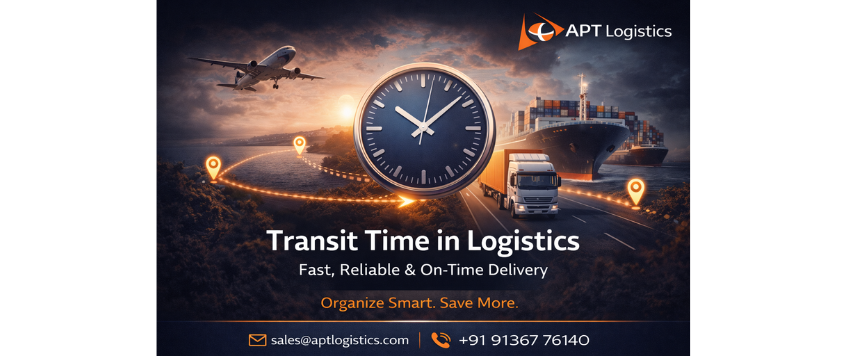
In global shipping, transit time in logistics refers to the total time taken for goods to move from the origin to the final destination. It is a critical factor that directly impacts supply chain efficiency, customer satisfaction, and overall business performance.
Understanding transit time helps businesses plan shipments better and meet delivery commitments.
What is Transit Time?
Transit time is the duration between:
📍 Pickup of goods
➡️ Transportation (air, sea, or road)
📍 Final delivery to destinationIt includes all stages of movement, including loading, transit, and unloading.
Types of Transit Time
1. Air Freight Transit Time ✈️
- Typically 1–5 days
- Fastest shipping method
- Ideal for urgent or perishable goods
2. Sea Freight Transit Time 🚢
- Typically 10–40 days
- Cost-effective for bulk shipments
- Depends on shipping route and port congestion
3. Road & Inland Transit 🚛
- Varies based on distance and infrastructure
- Affects first-mile and last-mile delivery
Factors Affecting Transit Time
1. Distance and Route 🌍
Longer distances and indirect routes increase transit time.
2. Mode of Transport
Air is fastest, while sea freight takes longer but is more economical.
3. Customs Clearance 📄
Delays in documentation or inspections can extend delivery timelines.
4. Port Congestion 🚢
Busy ports may cause delays in loading and unloading.
5. Weather Conditions 🌧️
Storms, fog, or extreme weather can impact schedules.
6. Carrier Schedules
Flight or vessel frequency affects how quickly cargo can be shipped.
Why Transit Time Matters
Transit time plays a crucial role in:
- Meeting customer delivery expectations
- Reducing inventory holding costs
- Improving supply chain planning
- Avoiding delays and penalties
How to Reduce Transit Time
Choose the right shipping mode
- Plan shipments in advance
- Ensure accurate documentation
- Work with reliable logistics partners
- Track shipments in real time
How APT Logistics Ensures Faster Delivery
APT Logistics helps businesses optimize transit time in logistics through:
- Efficient route planning
- Strong carrier network
- Fast customs clearance support
- Real-time shipment tracking
- End-to-end logistics management
With industry expertise, APT Logistics ensures timely and reliable cargo movement.
Need Help? Chat with us!
Start a Conversation
Hi! Click one of our members below to chat on WhatsApp