-

12
Mar
Oil Price Logistics Impact on Global Freight and Supply Chains | APT Logistics
Oil Price Logistics Impact on Global Supply Chains
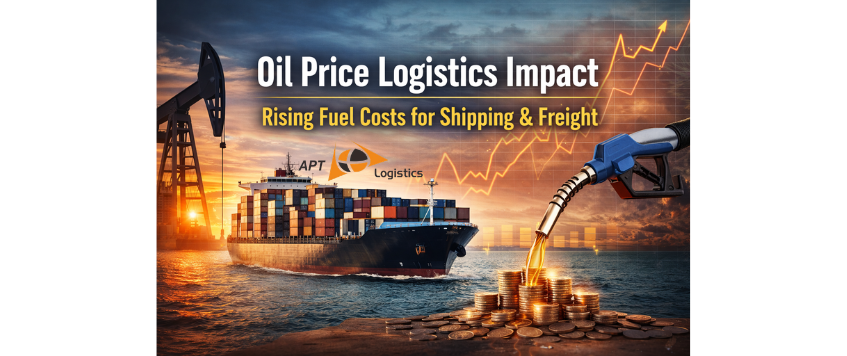
The recent rise in global oil prices is creating significant challenges for the logistics industry. As geopolitical tensions continue to influence energy markets, the oil price logistics impact is becoming a major concern for freight forwarders, shipping companies, and international businesses.
Fuel is one of the largest operating costs in transportation. When oil prices increase, logistics costs across ocean freight, air cargo, and inland transport also rise.
Why Oil Prices Matter for Logistics
The global logistics industry relies heavily on fuel to move goods across continents. Container ships, cargo aircraft, trucks, and rail networks all depend on energy prices remaining stable.
With oil prices recently crossing $100 per barrel, transportation companies are adjusting their pricing structures to offset rising operational costs.
As a result, the oil price logistics impact is being felt across multiple sectors including manufacturing, retail, automotive, and global trade.
Rising Fuel Surcharges in Freight
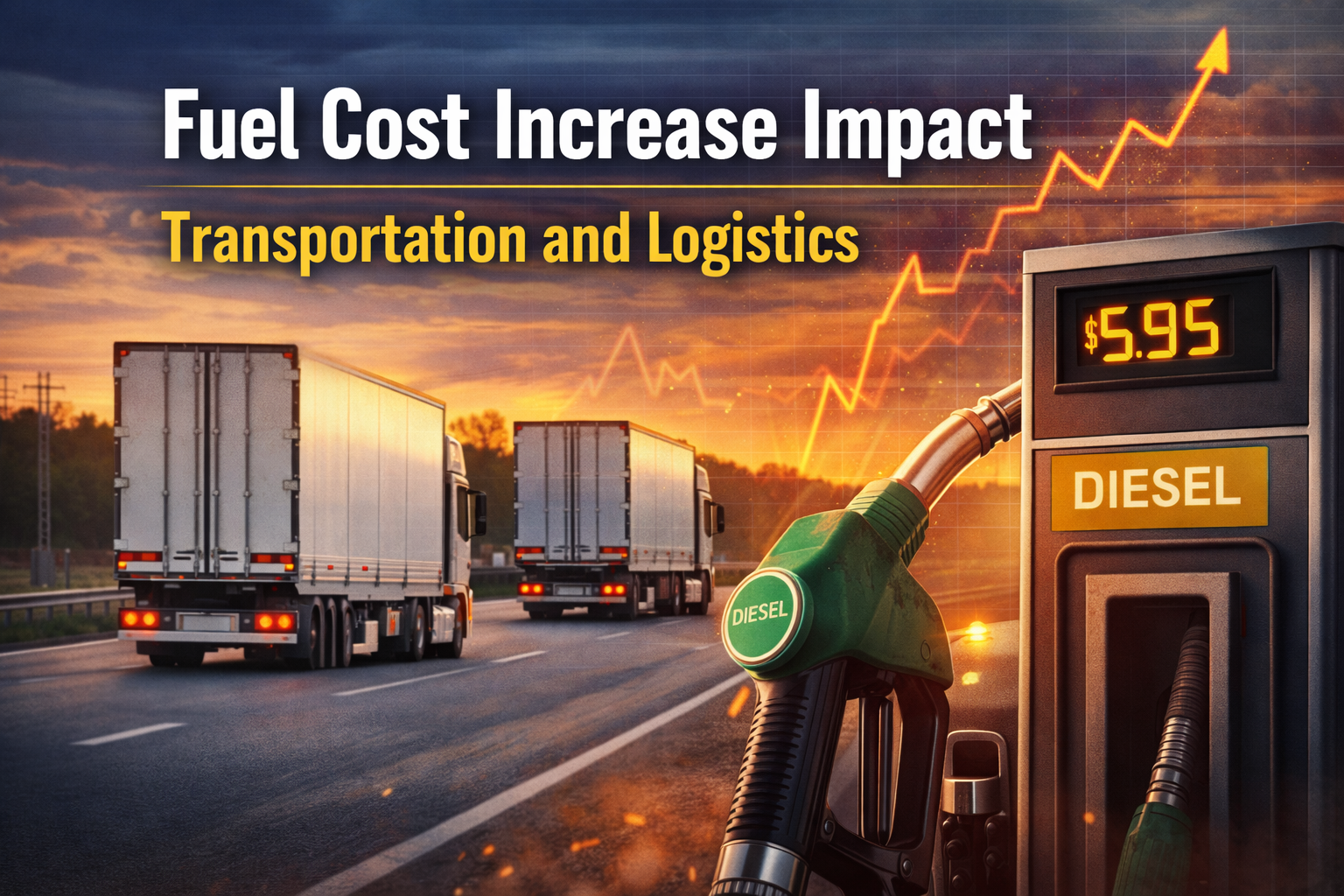
Fuel cost increase global logistics
Shipping carriers and airlines typically introduce fuel-related charges when oil prices rise. These include:
- Bunker Adjustment Factor (BAF) in ocean freight
- Fuel surcharges in air cargo shipments
- Higher trucking and inland transport costs
These surcharges help carriers manage fluctuating fuel prices but also increase overall shipping expenses for businesses.
Impact on Global Freight Rates
The increase in fuel costs is pushing freight rates higher across several trade lanes. Logistics providers are now facing:
- Frequent rate adjustments
- Shorter rate validity periods
- Emergency fuel surcharges
- Increased operational expenses
For companies involved in international trade, this means shipping budgets must remain flexible.
Supply Chain Planning During Fuel Price Volatility
To manage the oil price logistics impact, businesses are focusing on smarter logistics planning. This includes:
- Consolidating shipments to reduce fuel usage
- Choosing efficient shipping routes
- Exploring multimodal transport solutions
- Partnering with experienced freight forwarders
These strategies help companies reduce transportation costs during periods of fuel price volatility.
How APT Logistics Helps Businesses Adapt
During times of rising transportation costs, reliable logistics partners become even more important. APT Logistics continuously monitors fuel price trends and global shipping markets to provide efficient freight solutions.
APT Logistics supports customers through:
- Competitive freight planning
- Flexible routing options
- Optimized shipment consolidation
- Reliable global logistics networks
By adapting quickly to market changes, APT Logistics helps businesses maintain stable supply chains even during periods of fuel price uncertainty.
Conclusion
The growing oil price logistics impact highlights how global energy markets directly influence supply chains and freight costs. As oil prices fluctuate, transportation costs and freight rates will continue to adjust accordingly.
Businesses that plan strategically and work with experienced logistics providers will be better prepared to navigate these challenges and maintain efficient global trade operations.
Need Help? Chat with us!
Start a Conversation
Hi! Click one of our members below to chat on WhatsApp