-

17
Oct
Transloading Logistics: Uses, Benefits & Process
What Is Transloading and When Is It Used?
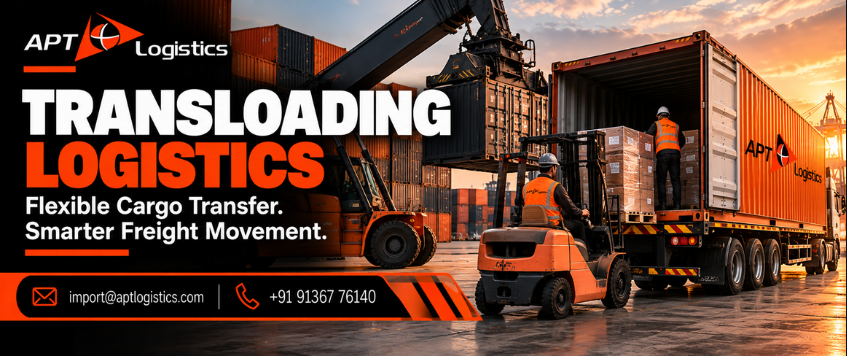
Transloading logistics involves transferring cargo from one mode of transport or loading unit to another during its journey. For example, goods may be moved from a shipping container to a truck, transferred from rail wagons to trucks, or shifted into another container for onward transportation.
Businesses use transloading when their cargo needs a different transport arrangement to reach its destination efficiently. When properly planned, it can improve routing flexibility, support regional distribution, and help manage transportation costs.
How Does Transloading Work?
A typical transloading operation involves the following steps:
-
Cargo arrival: Goods arrive at a port, terminal, warehouse, rail yard, or designated transloading facility.
-
Cargo transfer: The shipment is unloaded and transferred to another vehicle, container, or loading unit.
-
Inspection and verification: Cargo condition, quantity, labels, and documentation are checked as required.
-
Reloading and dispatch: The cargo is secured for the next leg of transportation.
-
Final delivery: The shipment continues to its destination according to the planned route.
The process may also involve temporary storage, repacking, palletization, or documentation updates, depending on the cargo and operational requirements.
When Is Transloading Used?
Transloading can be useful in several situations:
1. When Changing Transportation Modes
Cargo may move by ocean freight before being transferred to rail or road transport for inland delivery. This is particularly useful when the destination is far from the seaport.
2. When the Original Container Cannot Continue
A container may need to be transferred to another container or vehicle because of equipment restrictions, route limitations, or operational requirements.
3. For Regional Distribution
Importers may transfer bulk shipments into smaller trucks or other delivery units to distribute goods to multiple warehouses or customers.
4. When Managing Capacity or Routing Constraints
Transloading can help when direct services are unavailable, equipment is limited, or an alternative route offers better operational flexibility.
5. For Cross-Border Transportation
Cargo may need to be transferred between vehicles or equipment because of differing regulations, transport systems, or operational restrictions at a border.
Key Benefits of Transloading Logistics
-
Routing flexibility: Cargo can move through alternative transport routes and facilities.
-
Better distribution planning: Large shipments can be divided into smaller loads for regional delivery.
-
Improved equipment utilization: Cargo can be transferred to equipment suited to the next transport leg.
-
Potential cost savings: Combining suitable transport modes or using alternative routes may reduce total logistics costs.
-
Access to inland destinations: Transloading supports delivery to locations that are not directly served by ocean freight or rail.
Cost savings are not automatic. Handling charges, storage, labor, equipment, and the risk of cargo damage must be included when comparing options.
Transloading vs. Cross-Stuffing vs. Transshipment
Term Meaning Transloading Transferring cargo between transport modes, vehicles, or loading units. Cross-stuffing Moving cargo from one container to another, often at a port, CFS, or warehouse. Transshipment Transferring cargo from one vessel or service to another during its journey, typically at a connecting port. These terms can overlap operationally, but they describe different aspects of cargo movement.
What Should Businesses Check Before Transloading?
Before arranging transloading logistics, businesses should verify:
-
Cargo compatibility: Confirm that the cargo can be handled safely with the available equipment.
-
Handling and storage costs: Account for labor, equipment, warehousing, and any additional terminal charges.
-
Documentation and customs: Check whether customs approval, transit documentation, or other permissions are required.
-
Cargo protection: Arrange suitable packaging, securing, and inspection to minimize damage or loss.
-
Schedule coordination: Align the arrival of the incoming vehicle with the availability of the next transport leg.
For heavy, fragile, temperature-sensitive, or oversized cargo, the handling plan should be confirmed before the shipment arrives.
How APT Logistics Supports Cargo Transfers
At APT Logistics, we coordinate freight movements involving ports, warehouses, containers, and inland transportation. Our team can help assess routing options, coordinate cargo handling, and arrange onward transportation based on shipment requirements.
Whether cargo needs to move from a port to an inland destination or be transferred to different transport equipment, careful planning helps maintain visibility and reduce avoidable delays.
Conclusion
Transloading logistics gives businesses greater flexibility when cargo needs to move between transport modes, vehicles, or containers. By evaluating handling requirements, costs, documentation, and transit schedules in advance, shippers can determine whether transloading is the right solution for their supply chain.
For international shipments, the right cargo-transfer plan can support more reliable transportation and smoother delivery.
Frequently asked questions
1. What is transloading in logistics?
Transloading is the process of transferring cargo from one vehicle, transport mode, or loading unit to another during transportation.
2. Is transloading the same as cross-stuffing?
No. Cross-stuffing specifically refers to transferring cargo between containers, while transloading is a broader term that can include transfers between trucks, rail, containers, and other transport arrangements.
3. Does transloading reduce shipping costs?
It can, depending on the route, transport modes, shipment volume, handling charges, and inland delivery requirements. Total costs should be compared before choosing this option.
4. Where does transloading take place?
It can take place at ports, container freight stations (CFS), warehouses, rail terminals, distribution centers, and other suitable cargo-handling facilities.
5. Is transloading suitable for all types of cargo?
Not always. Cargo weight, dimensions, packaging, handling sensitivity, equipment availability, and regulatory requirements determine whether transloading is appropriate.
-
Need Help? Chat with us!
Start a Conversation
Hi! Click one of our members below to chat on WhatsApp