-

16
Jul
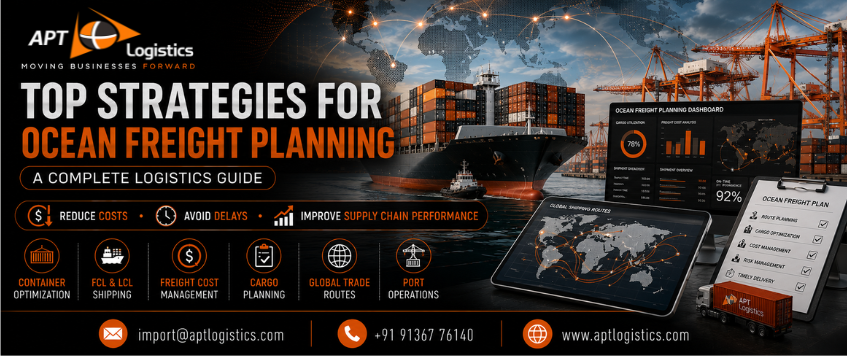
Top Strategies for Ocean Freight Planning: A Complete Logistics Guide
Top Strategies for Ocean Freight Planning: A Complete Logistics Guide
Effective ocean freight planning is one of the most important factors in controlling logistics costs, improving supply chain efficiency, and ensuring timely cargo delivery. While ocean freight remains the most economical mode of international transportation, poor planning can lead to delays, storage charges, missed sailings, and increased shipping expenses.
Businesses that proactively plan their ocean shipments can optimize transit times, secure better freight rates, and maintain stronger supply chain performance.
In this guide, we’ll explore the top strategies for successful ocean freight planning and how businesses can reduce risks while maximizing shipping efficiency.
Why Ocean Freight Planning Matters
Ocean freight involves multiple stakeholders, including shipping lines, ports, customs authorities, freight forwarders, trucking companies, and warehouse operators.
Without proper planning, businesses may face:
- Cargo rollovers
- Vessel schedule disruptions
- Port congestion delays
- Storage charges
- Higher freight costs
- Inventory shortages
A structured planning approach helps businesses avoid these common challenges.
1. Book Cargo Space Early
One of the most effective ocean freight planning strategies is securing cargo space well in advance.
Benefits include:
- Better freight rates
- Higher equipment availability
- Reduced rollover risks
- More sailing options
- Improved transit planning
During peak shipping seasons, vessel space can become limited very quickly.
Best Practice
Book cargo at least 2–4 weeks before the intended sailing date whenever possible.
2. Choose the Right Container Type
Selecting the correct container helps optimize costs and cargo safety.
Common container options include:
Standard Containers
- 20′ GP
- 40′ GP
- 40′ HC
Specialized Containers
- Open Top Containers
- Flat Rack Containers
- Reefer Containers
- Tank Containers
- ISO Tanks
Proper container selection reduces handling risks and prevents unexpected charges.
3. Optimize Container Utilization
Poor container utilization increases shipping costs.
Strategies include:
- Proper cargo stacking
- Efficient palletization
- Weight distribution planning
- Packaging optimization
- Consolidation opportunities
Maximizing container space reduces transportation costs per unit shipped.
4. Decide Between FCL and LCL
An important aspect of ocean freight planning is choosing the appropriate shipping mode.
FCL (Full Container Load)
Best for:
- Large shipments
- Dedicated container usage
- Faster cargo handling
- Reduced cargo mixing
LCL (Less than Container Load)
Best for:
- Small-volume shipments
- Lower shipping budgets
- Flexible cargo quantities
- Market testing shipments
Selecting the right option can significantly impact logistics costs.
5. Plan Around Peak Seasons
Freight markets often experience seasonal fluctuations.
Peak periods may include:
- Holiday inventory build-up
- Festival seasons
- Manufacturing surges
- Agricultural export seasons
- Retail demand cycles
Planning ahead helps avoid capacity shortages and rate increases.
6. Prepare Documentation Early
Documentation delays are a major cause of shipment disruptions.
Essential documents may include:
- Commercial Invoice
- Packing List
- Bill of Lading
- Certificate of Origin
- Insurance Documents
- Export Licenses (if applicable)
Accurate documentation helps prevent customs delays and cargo holds.
7. Monitor Port Congestion Risks
Port congestion can significantly impact transit times.
Factors affecting ports include:
- Labor shortages
- Weather disruptions
- Equipment imbalances
- Vessel bunching
- Customs bottlenecks
Monitoring port conditions allows businesses to adjust shipping plans proactively.
8. Understand Incoterms Before Shipping
Incoterms determine responsibilities between buyers and sellers.
Commonly used terms include:
- EXW
- FCA
- FOB
- CFR
- CIF
- DAP
- DDP
A misunderstanding of Incoterms can lead to unexpected costs and shipment delays.
9. Consider Cargo Insurance
Ocean transportation involves various risks.
Insurance helps protect against:
- Cargo damage
- Theft
- Natural disasters
- General Average claims
- Accidental losses
For high-value shipments, insurance should be an essential part of freight planning.
10. Work with an Experienced Freight Forwarder
A professional freight forwarding partner can help businesses:
- Secure competitive freight rates
- Manage documentation
- Coordinate customs clearance
- Monitor shipment progress
- Optimize transportation routes
- Reduce supply chain risks
Expert guidance often results in significant cost and time savings.
Common Ocean Freight Planning Mistakes
Avoid these frequent errors:
- Booking too late
- Ignoring transit schedules
- Incorrect documentation
- Poor container utilization
- Underestimating customs requirements
- Skipping cargo insurance
- Choosing freight rates based solely on price
These mistakes often lead to higher overall logistics costs.
APT Logistics Insight ⭐
Many companies focus exclusively on freight rates when planning ocean shipments. However, the most successful importers and exporters evaluate the entire logistics process—including transit reliability, customs readiness, inventory planning, and cargo visibility.
Effective ocean freight planning is not simply about moving cargo at the lowest cost; it’s about ensuring predictable, efficient, and disruption-free supply chain performance.
How APT Logistics Supports Ocean Freight Planning
APT Logistics provides:
- FCL and LCL shipping solutions
- Ocean freight consulting
- Customs clearance support
- Container optimization guidance
- Cargo insurance assistance
- Port-to-port and door-to-door solutions
- Real-time shipment visibility
Our team helps businesses build efficient ocean freight strategies that balance cost, speed, and reliability.
Conclusion
Successful ocean freight planning is essential for businesses seeking to reduce logistics costs, improve delivery performance, and strengthen supply chain resilience. From securing vessel space early to optimizing container usage and managing documentation, proactive planning can significantly improve shipping outcomes.
With APT Logistics, businesses gain access to experienced logistics professionals, global carrier networks, and end-to-end ocean freight solutions designed to keep cargo moving efficiently across international markets.
FAQ
Why is ocean freight planning important?
Ocean freight planning helps businesses avoid delays, reduce costs, secure cargo space, and improve supply chain efficiency.
When should ocean freight bookings be made?
Ideally, bookings should be made 2–4 weeks before the desired sailing date, especially during peak seasons.
What is the difference between FCL and LCL?
FCL uses a dedicated container for one shipper, while LCL allows multiple shippers to share container space.
How can businesses reduce ocean freight costs?
By optimizing container utilization, booking early, choosing the correct shipping mode, and working with experienced freight forwarders.
Need Help? Chat with us!
Start a Conversation
Hi! Click one of our members below to chat on WhatsApp