-

27
Mar
HS Code Shipping Meaning Explained | International Trade Guide
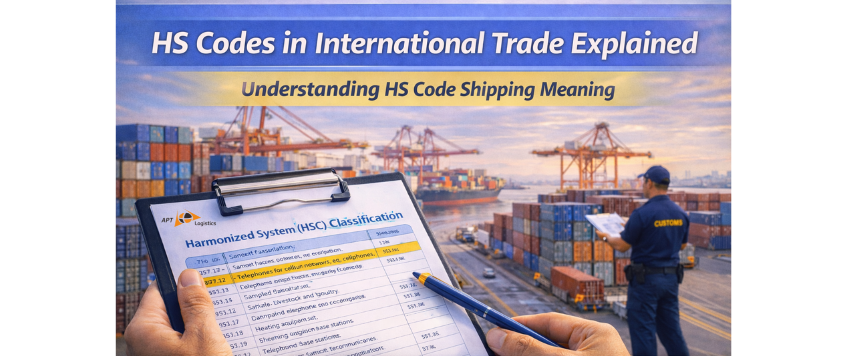
HS Codes in International Trade Explained
In global trade, every product shipped across borders must be classified correctly. This is where HS codes play a critical role. Understanding the HS code shipping meaning helps importers and exporters ensure smooth customs clearance, accurate duty calculations, and compliance with international trade regulations.
Without proper classification, shipments may face delays, penalties, or incorrect taxation.
What is an HS Code?
The Harmonized System (HS) Code is an internationally standardized system used to classify traded goods. It was developed by the World Customs Organization (WCO) and is used by customs authorities around the world.
An HS code typically consists of 6 digits, which identify the category and type of product being shipped.
For example:
- 01 – Live animals
- 85 – Electrical machinery and equipment
- 94 – Furniture and related products
Countries may add additional digits for more detailed classification.
Freight forwarding companies like APT Logistics help exporters and importers identify the correct HS code for their products to ensure smooth international shipping.
Why HS Codes Are Important in Shipping
Understanding the HS code shipping meaning is important because it directly impacts how goods are processed during international trade.
HS codes determine:
- Import duties and taxes
- Customs regulations
- Trade restrictions
- Shipping documentation requirements
Incorrect HS codes can result in shipment delays, customs inspections, or additional charges.
With professional logistics support from APT Logistics, businesses can ensure their cargo documentation and HS code classification comply with international trade regulations.
Where HS Codes Are Used
HS codes are required in several shipping and customs documents, including:
- Commercial Invoice
- Bill of Lading
- Shipping Bill
- Customs declarations
These codes help customs authorities quickly identify products and apply the correct tariffs and regulations.
Logistics providers such as APT Logistics work closely with exporters and customs brokers to verify HS codes before shipment dispatch.
Example of HS Code Structure
A standard HS code contains six digits divided into three parts:
Example: 8517.12
- First two digits – Product chapter
- Next two digits – Product heading
- Last two digits – Product subcategory
Many countries extend this code to 8 or 10 digits for more detailed classification.
How Freight Forwarders Help with HS Code Classification
Determining the correct HS code can sometimes be complex, especially for specialized products. Freight forwarders and logistics providers assist businesses by reviewing product specifications and ensuring accurate classification.
APT Logistics supports exporters and importers by helping them identify the correct HS codes, prepare documentation, and coordinate with customs authorities to prevent delays in international shipments.
Conclusion
Understanding the HS code shipping meaning is essential for businesses involved in international trade. Proper classification ensures accurate customs duties, faster cargo clearance, and compliance with global trade regulations.
By partnering with experienced logistics providers like APT Logistics, companies can streamline documentation, avoid classification errors, and ensure smooth cross-border cargo movement.
Need Help? Chat with us!
Start a Conversation
Hi! Click one of our members below to chat on WhatsApp