-

21
Oct
Incorrect VGM Declaration: Risks & Shipping Delays
What Happens If Container VGM Is Incorrect?
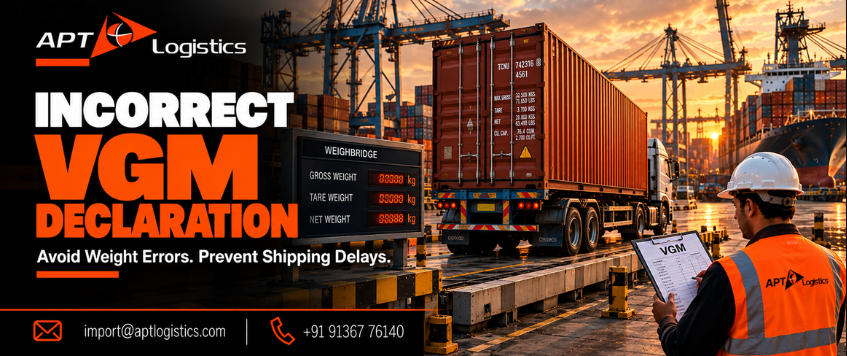
An incorrect VGM declaration can disrupt export operations, delay vessel loading, and create additional costs for shippers. VGM stands for Verified Gross Mass—the verified total gross weight of a packed shipping container, including cargo, packaging, pallets, dunnage, and the container’s tare weight.
Under the International Maritime Organization’s SOLAS requirements, the shipper is responsible for ensuring that the verified gross mass is provided to the carrier and terminal in time for vessel stowage planning. A packed container without a valid VGM cannot be loaded onto a vessel.
What Happens When the Declared VGM Is Wrong?
1. Container Loading May Be Delayed
If the declared weight is missing, inconsistent, or identified as incorrect, the carrier or terminal may require verification or correction before the container can be considered for loading. If the issue is not resolved before the applicable cut-off, the container may miss its planned vessel.
2. Additional Weighing and Handling Costs
The shipper may need to arrange reweighing or other corrective action. Depending on the terminal’s procedures and the circumstances, additional handling, weighing, storage, or related charges may apply.
3. Vessel Stowage and Safety Concerns
Container weight information is important for safe vessel stowage and cargo planning. Incorrect weights can affect load distribution calculations and create operational safety concerns, particularly when discrepancies are significant.
4. Documentation and Compliance Issues
A discrepancy between the declared VGM and the verified weight may trigger additional checks. Depending on the applicable rules and local procedures, it can lead to corrective requirements or other compliance consequences.
5. Missed Sailing and Delivery Delays
If the VGM issue is not corrected before the loading deadline, the container may roll to a later vessel. This can affect delivery commitments, connecting transport, inventory planning, and the customer’s schedule.
How Can Exporters Avoid Incorrect VGM Declaration?
Exporters can reduce VGM errors by following a consistent verification process:
-
Use an approved weighing method: Follow one of the two SOLAS-recognised methods—weighing the packed container or calculating the combined weight of all cargo items, packaging, securing materials, and the container’s tare weight using a compliant method.
-
Verify the container tare weight: Check the tare weight marked on the container and use the correct figure in the calculation.
-
Include all packing materials: Account for pallets, dunnage, bracing, and other materials used to secure the cargo.
-
Cross-check shipment records: Compare the VGM with packing lists, loading records, and other relevant documents to identify inconsistencies.
-
Submit VGM before the cut-off: Follow the shipping line’s and terminal’s deadlines so the information is available for stowage planning.
-
Correct discrepancies immediately: If an error is discovered, inform the relevant parties and arrange an accepted correction or reweighing process.
What Should You Do If VGM Has Already Been Submitted Incorrectly?
If you discover an incorrect VGM declaration after submission, contact your freight forwarder and shipping line immediately. Confirm the correct weight, arrange verification if required, and follow the carrier’s procedure for amending the declaration.
Do not assume that an email correction automatically updates every system. Confirm that the revised VGM has been accepted before the applicable deadline.
How APT Logistics Helps with VGM Coordination
At APT Logistics, we coordinate export documentation, shipping line requirements, and container movement to help customers meet operational cut-offs. Our team can assist with checking shipment information, coordinating VGM submissions, and communicating corrections to the relevant parties when discrepancies arise.
Accurate weight information and timely coordination help reduce avoidable delays and support safer container shipping.
Conclusion
An incorrect VGM declaration can lead to additional checks, unexpected charges, missed sailings, and potential compliance issues. Exporters should verify the packed container’s gross mass carefully, submit the declaration on time, and correct any discrepancy promptly.
A reliable VGM process helps protect cargo schedules, improve operational efficiency, and support safe international shipping.
Frequently asked questions
1. What does VGM mean in shipping?
VGM stands for Verified Gross Mass. It is the verified total gross weight of a packed container, including the container’s tare weight.
2. Can a container be loaded without VGM?
No. Under SOLAS requirements, a packed container must have its verified gross mass provided to the carrier and terminal in time for vessel stowage planning. Without a valid VGM, it cannot be loaded onto the vessel.
3. What happens if the actual container weight differs from the declared VGM?
The discrepancy may require verification, correction, or reweighing. Loading may be delayed, and additional charges may apply depending on the circumstances and local procedures.
4. Who is responsible for submitting VGM?
The shipper named in the ocean transport documentation is responsible for obtaining and providing the VGM, although an authorised third party may submit it on the shipper’s behalf.
5. Can an incorrect VGM cause a shipment to miss its vessel?
Yes. If the discrepancy is not resolved before the applicable loading cut-off, the container may be held back and rolled to a later sailing.
-
Need Help? Chat with us!
Start a Conversation
Hi! Click one of our members below to chat on WhatsApp